
Essential Nonprofit Software for California Organizations
Empower your mission with the right technology, tailored for California's unique nonprofit landscape.
Find Your SolutionKey Takeaways
- ✓ California hosts over 100,000 active nonprofit organizations, each with unique operational needs.
- ✓ Effective software can reduce administrative burden by up to 30%, freeing resources for mission-critical work.
- ✓ Compliance with California-specific regulations (e.g., Prop 65, state fundraising laws) is paramount for nonprofits.
- ✓ Cloud-based solutions offer scalability and accessibility, crucial for geographically diverse organizations across CA.
How It Works
Begin by evaluating your existing workflows in fundraising, donor management, accounting, and program delivery. Identify pain points and areas where manual processes hinder efficiency or compliance.
Look for software providers that understand or offer features addressing California's unique regulatory environment, such as specific reporting requirements or local grant opportunities. Prioritize integrations.
Implement a pilot program with key staff to test the software's functionality and user-friendliness. Customize settings and integrations to align perfectly with your organization's specific operational needs and goals.
Provide comprehensive training to all relevant staff members to ensure widespread adoption and proficiency. Continuously monitor usage, gather feedback, and optimize the software's configuration for maximum benefit.
Navigating the California Nonprofit Landscape with Technology
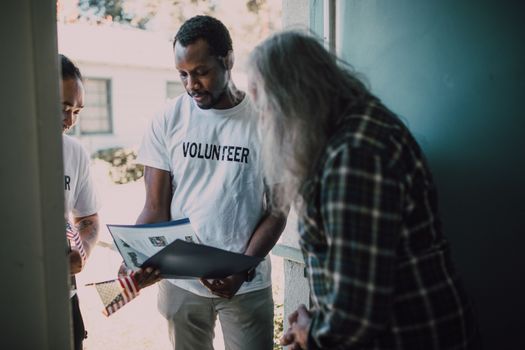 Photo: RDNE Stock project / Pexels
Key Software Categories for California Nonprofits
Choosing the Right Nonprofit Software for Your California Mission
Tips for Successful Software Implementation and Common Pitfalls to Avoid
Comparison
| Feature | Best Option (e.g., Salesforce NPSP) | Alternative 1 (e.g., Blackbaud Raiser's Edge NXT) | Alternative 2 (e.g., Bloomerang) |
|---|---|---|---|
| California Compliance Features | Strong (via AppExchange) | Moderate | Basic |
| Donor Management & CRM | Excellent | Excellent | Very Good |
| Grant Tracking & Reporting | Good (via add-ons) | Very Good | Basic |
| Volunteer Management | ✓ | ✓ | ✗ |
| Pricing Model | Tiered (flexible) | Complex (enterprise) | Subscription (mid-range) |
| Scalability | High | High | Moderate |
| Ease of Use | Moderate (steep learning curve) | Moderate (steep learning curve) | High |
What Readers Say
"Our environmental nonprofit in Oakland switched to a new donor CRM, and it's been a game-changer for our fundraising appeals. We can now segment our Bay Area donors much more effectively, leading to a noticeable increase in engagement and donations for our local conservation efforts. This nonprofit software for California organizations has truly streamlined our outreach."
Sarah Chen · Oakland, CA"As a small arts organization in San Diego, managing grants and reporting was always a huge headache. We found a grant management module that integrates perfectly with our existing accounting software. The automated reminders and standardized reporting templates have saved us countless hours and reduced our stress significantly. It's fantastic for California nonprofits."
David Ramirez · San Diego, CA"The new program management software we adopted has revolutionized how we track services for families in the Central Valley. We now have real-time data on outcomes, which has been invaluable for demonstrating our impact to funders and improving our service delivery. This powerful nonprofit software for California organizations helped us secure a major state grant."
Maria Lopez · Fresno, CA"While the initial setup for our new CRM was a bit complex, the long-term benefits are undeniable. Our team is now much more efficient in managing volunteer schedules and communications. The ability to pull specific reports for our state regulatory filings has also been a huge plus, though I wish the user interface was a little more intuitive from the start."
Ethan Miller · Sacramento, CA"Our animal rescue organization used to rely on spreadsheets for everything. Implementing a comprehensive nonprofit software suite has brought us into the 21st century. From managing adoptions and foster homes to processing donations and communicating with our dedicated volunteers, everything is now centralized and much more efficient. It's perfect for a busy California organization like ours."
Jessica Kim · Santa Monica, CAFrequently Asked Questions
What is the most crucial feature to look for in nonprofit software for California organizations?
While many features are important, robust reporting and compliance capabilities are arguably the most crucial for California organizations. The state has specific regulatory requirements, particularly concerning fundraising, financial transparency, and data privacy. Software that simplifies generating compliant reports and helps track relevant state-specific activities can save significant time and mitigate legal risks, ensuring your organization adheres to all necessary California mandates.
Is cloud-based software safe for handling sensitive donor data in California?
Yes, reputable cloud-based software providers employ advanced security measures, including data encryption, regular backups, and compliance with industry security standards. Many providers also adhere to data privacy regulations like CCPA (California Consumer Privacy Act). Always choose a vendor with a strong track record in data security and clear privacy policies to ensure your donor data is protected.
How can small California nonprofits afford comprehensive software solutions?
Many software providers offer discounted rates or special programs for nonprofits, and some even provide free basic versions. Explore options like Salesforce's Power of Us program, TechSoup for discounted software, or open-source solutions. Prioritizing essential features and starting with a scalable solution that can grow with your budget is also a smart strategy for small organizations.
What's the difference between a general CRM and a nonprofit-specific CRM?
A general CRM focuses on sales and customer management, while a nonprofit-specific CRM is tailored to the unique needs of nonprofits. This includes features like donor management (tracking donations, pledges, giving history), volunteer management, grant tracking, fund accounting capabilities, and often integrates with fundraising tools. These specialized features are vital for managing the complex relationships and financial structures of nonprofits.
Should we choose an all-in-one solution or integrate best-of-breed tools?
Both approaches have merits. All-in-one solutions offer seamless integration and a single vendor relationship but might not excel in every single function. Best-of-breed tools allow you to pick the top software for each specific need (e.g., best fundraising, best accounting) but require careful integration planning and management across multiple vendors. The best choice for your California organization depends on your specific needs, budget, and technical capacity.
Who should be involved in the software selection process?
A diverse team should be involved, including executive leadership, fundraising staff, program managers, finance personnel, and IT (if applicable). Involving representatives from all departments that will use the software ensures that all needs are considered and helps foster buy-in and smoother adoption once the software is implemented. This collaborative approach leads to a more informed decision.
What are the risks of sticking with outdated or manual systems?
Sticking with outdated or manual systems for your California nonprofit carries significant risks. These include increased administrative burden, higher chances of human error in data entry and financial reporting, difficulty in demonstrating impact to funders, non-compliance with state regulations, and missed fundraising opportunities due to inefficient outreach. Ultimately, it can hinder your organization's growth and ability to fulfill its mission effectively.
What emerging trends should California nonprofits consider in software selection?
Emerging trends include greater adoption of AI and machine learning for donor segmentation and personalized outreach, enhanced mobile accessibility for staff and donors, increased focus on robust data analytics for impact measurement, and continued emphasis on cybersecurity and data privacy compliance. California nonprofits should look for software that is adaptable to these trends and offers capabilities to leverage them for future growth and efficiency.
Investing in the right nonprofit software for California organizations is an investment in your mission's future. By carefully selecting and implementing solutions tailored to your unique needs, you can streamline operations, enhance fundraising, ensure compliance, and ultimately amplify your impact across the Golden State. Take the next step towards empowering your organization with technology today.