
Mastering Nonprofit Management Training California
nonprofit management training california

Mastering Nonprofit Management Training California

Unlock your organization's full potential and drive sustainable change with leading-edge training designed for California's unique nonprofit landscape.

Find Your Program

Key Takeaways

  • ✓ California hosts over 80,000 active nonprofits, the largest number in the U.S.
  • ✓ Effective governance and financial stewardship are critical for sustained impact.
  • ✓ Specialized training addresses California's unique regulatory environment and diverse communities.
  • ✓ Ongoing professional development is essential for nonprofit leaders to adapt and thrive.

How It Works

1
Assess Your Needs

Identify specific areas where your organization or leadership team requires improvement. This could range from fundraising to board development or strategic planning.

2
Explore Training Options

Research various programs, workshops, and certifications offered across California. Consider online, in-person, short-term, and long-term options to fit your schedule and budget.

3
Engage and Learn

Actively participate in chosen training, absorbing new knowledge and skills. Network with peers and instructors to build a supportive community and share best practices.

4
Implement and Evaluate

Apply learned strategies and tools within your organization. Continuously evaluate their effectiveness and iterate your approach for ongoing improvement and greater impact.

The Imperative of Nonprofit Leadership Development in California
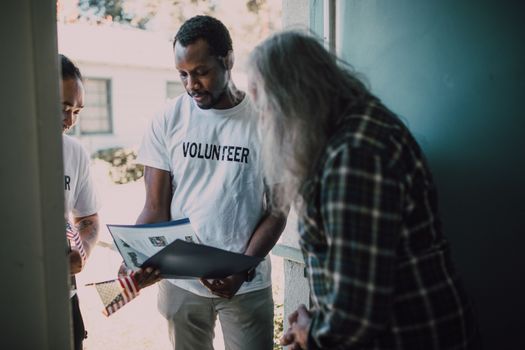
Volunteers visit a home to provide community support and discuss documents. Photo: RDNE Stock project / Pexels
California's vibrant and diverse nonprofit sector is a cornerstone of its communities, addressing everything from environmental conservation to social justice and public health. With over 80,000 active nonprofits, the Golden State represents a unique and often complex operational environment. This sheer volume, coupled with the state's distinct regulatory landscape, economic fluctuations, and diverse demographic needs, means that effective nonprofit management is not merely beneficial—it is absolutely imperative for survival and sustained impact. Without robust leadership and sound operational practices, even the most well-intentioned organizations can falter, risking their mission, their beneficiaries, and their credibility. This is where specialized nonprofit management training in California becomes indispensable. The challenges facing California nonprofits are multifaceted. They include intense competition for funding, navigating complex state and federal compliance requirements, attracting and retaining skilled staff, and demonstrating measurable impact to increasingly discerning donors and stakeholders. Furthermore, the state's high cost of living impacts everything from staff salaries to program delivery costs, placing additional pressure on already stretched budgets. Leaders must also contend with the evolving demands of digital transformation, cybersecurity threats, and the need for inclusive and equitable practices within their organizations. A generic approach to management simply won't suffice. California's nonprofit leaders require training that is not only current but also contextually relevant, providing them with the tools to innovate, adapt, and lead their organizations through both predictable and unforeseen challenges. Investing in leadership development is not an expense; it's a strategic investment in an organization's future. It equips executive directors, board members, program managers, and rising stars with the critical skills needed for strategic planning, fiscal stewardship, effective fundraising, robust governance, and impactful program delivery. For instance, understanding California-specific labor laws or nuances in grant reporting can mean the difference between compliance and costly penalties. Learning best practices in board engagement can transform a passive board into a powerful asset. Developing skills in data-driven decision-making allows organizations to optimize their resources and prove their impact. The right training empowers leaders to build resilient, responsive, and relevant organizations that can truly make a difference in the lives of Californians. It fosters a culture of continuous improvement, ensures ethical practices, and ultimately strengthens the entire social impact ecosystem of the state.

Key Areas Covered in California Nonprofit Management Programs

Group of volunteers organizing clothing and water donations indoors. Photo: Julia M Cameron / Pexels
Nonprofit management training programs in California are designed to address a comprehensive range of competencies essential for effective leadership and organizational sustainability. These programs typically delve into several core areas, ensuring that participants gain a holistic understanding of the sector's demands. One primary focus is **Strategic Planning and Visioning**. In a dynamic environment like California, nonprofits need clear, adaptable strategies to navigate change, seize opportunities, and ensure their mission remains relevant. Training in this area covers environmental scanning, stakeholder engagement, mission alignment, goal setting, and performance measurement, allowing leaders to craft roadmaps that guide their organizations effectively. Another critical component is **Financial Management and Fiscal Stewardship**. Nonprofits operate under a unique financial model, balancing mission with solvency. Training here often includes budgeting, financial reporting, understanding IRS Form 990, internal controls, risk management, and the ethical use of funds. Given California's economic landscape, managing resources wisely is paramount, and these programs equip leaders with the expertise to ensure financial health and accountability. This is often complemented by in-depth modules on **Fundraising and Development**. Securing sustainable funding is a constant challenge. Programs teach diverse fundraising strategies, from grant writing and individual donor cultivation to corporate partnerships, major gifts, and planned giving, often with a focus on California's philanthropic trends and donor base. Participants learn how to craft compelling cases for support and build lasting donor relationships. **Governance and Board Development** are also central to many programs. A strong, engaged board is vital for oversight, strategic direction, and resource mobilization. Training covers board roles and responsibilities, legal and ethical duties, recruitment, retention, performance evaluation, and fostering effective board-staff relations. This is particularly important in California, where good governance can prevent legal issues and enhance public trust. Lastly, programs frequently incorporate **Human Resources Management and Volunteer Engagement**, addressing the unique challenges of managing a workforce that often includes both paid staff and a significant volunteer base. Topics include recruitment, retention, performance management, compliance with California labor laws, diversity, equity, and inclusion (DEI) initiatives, and cultivating a positive organizational culture. These comprehensive modules ensure that leaders are well-prepared to manage all facets of their nonprofit operations, ultimately contributing to greater organizational stability and community impact.

Choosing the Right Nonprofit Management Training Program in CA

Volunteers visit a home to provide community support and discuss documents. Photo: RDNE Stock project / Pexels
Selecting the appropriate nonprofit management training program in California requires careful consideration of your organization's specific needs, your personal learning style, and your professional goals. The landscape of available options is broad, ranging from university-affiliated certificate programs to specialized workshops and online courses. To make an informed decision, begin by conducting a thorough needs assessment. Are you looking to enhance your skills in a particular area, such as grant writing or board governance, or do you need a more comprehensive overview of nonprofit leadership? Understanding your gaps will help narrow down the choices. Consider the format of the training. California offers a blend of in-person, hybrid, and fully online programs. In-person workshops, often hosted by community foundations, universities, or consulting firms in major hubs like Los Angeles, San Francisco, or Sacramento, provide invaluable networking opportunities and direct interaction with instructors and peers. These can be particularly beneficial for hands-on learning and building a local professional network. Online programs, conversely, offer flexibility, allowing participants from across the state to access high-quality content without geographical constraints. Hybrid models combine the best of both worlds, offering structured online learning with occasional in-person sessions or intensives. Evaluate the credentials and reputation of the provider. Look for programs offered by reputable universities (e.g., USC, Stanford, UCLA, USF, Cal State campuses), established nonprofit associations (e.g., CalNonprofits, Center for Nonprofit Management), or consulting firms with a proven track record in the sector. Research instructor bios to ensure they have relevant experience and expertise. Check for testimonials or reviews from past participants. Cost is another significant factor; programs vary widely in price, from free webinars to multi-thousand-dollar certificate courses. Investigate scholarship opportunities or employer-sponsored training budgets. Finally, consider the program's length and intensity. Some programs are short, intensive bootcamps, while others are extended certificate programs spanning several months. Align the program's structure with your availability and desired depth of learning to ensure you can fully commit and maximize your educational investment.

Maximizing Your Investment: Tips for Effective Nonprofit Training

Volunteer holding a cardboard donation sign in a community center with clothing and supplies. Photo: Julia M Cameron / Pexels
Simply enrolling in nonprofit management training in California isn't enough; to truly maximize your investment and translate learning into tangible organizational improvements, a strategic approach is essential. Here are some key tips to ensure your training yields the best possible results: * **Set Clear Objectives:** Before you even begin, define what you hope to achieve. Is it to improve your organization's fundraising capacity, streamline financial processes, or enhance board engagement? Having specific, measurable goals will help you select the right program and focus your learning. * **Active Participation is Key:** Don't just be a passive listener. Engage with the material, ask questions, participate in discussions, and complete assignments thoroughly. The more you put into the training, the more you'll get out of it. * **Network Strategically:** California's nonprofit sector is vast. Use training opportunities to connect with peers, instructors, and mentors. These relationships can provide ongoing support, collaboration opportunities, and valuable insights long after the program ends. * **Apply Learning Immediately:** Don't wait to implement new strategies. Identify small, actionable changes you can make in your organization right away. Even small successes can build momentum and demonstrate the value of the training. * **Share Knowledge Internally:** Bring what you've learned back to your team. Conduct internal workshops, share resources, or collaborate on projects where new skills can be applied. This not only reinforces your learning but also builds organizational capacity. * **Seek Feedback and Iterate:** Once you've implemented new practices, solicit feedback from colleagues, board members, and beneficiaries. Be open to refining your approach based on real-world results. Continuous improvement is a hallmark of effective leadership. * **Follow Up with Instructors/Mentors:** Many programs offer opportunities for continued engagement. Don't hesitate to reach out to instructors for clarification or further guidance on specific challenges. * **Stay Current:** The nonprofit landscape is constantly evolving. View your training as a stepping stone, not an endpoint. Commit to ongoing professional development through webinars, conferences, and industry publications to stay abreast of new trends and best practices. By following these tips, you transform your nonprofit management training in California from a one-time event into a catalyst for sustained organizational growth and enhanced community impact.

Comparison

FeatureUniversity Certificate ProgramsNonprofit Associations WorkshopsOnline Skill-Based CoursesConsulting Firm Bootcamps
Depth of ContentComprehensive, academicTargeted, practicalSpecific skill focusIntensive, hands-on
Time CommitmentMonths to 1 year1-3 daysHours to weeks (self-paced)2-5 days
Networking PotentialHigh (cohort-based)Moderate (local peers)Low (virtual)High (intensive group work)
Cost Range$$$ - $$$$$ - $$$ - $$$$ - $$$
Accreditation/Recognition✓ (often CEUs)✗ (varies)✗ (varies)
Best ForCareer advancement, deep diveSpecific skill gap, local insightsFlexible learning, quick upskillRapid skill acquisition, problem-solving

What Readers Say

"The nonprofit management training in California I received through CNM transformed our board engagement. We've seen a 30% increase in board participation and fundraising since implementing their strategies."

Maria Rodriguez · Los Angeles, CA

"As a new Executive Director, the comprehensive program from USC provided invaluable insights into strategic planning and financial oversight. I feel much more confident leading my team now."

David Chen · San Francisco, CA

"Our small environmental advocacy group struggled with grant writing. After attending a workshop on nonprofit management training in California, we secured our largest grant to date, expanding our reach significantly."

Sarah Miller · Sacramento, CA

"The online course was incredibly flexible and packed with useful information. While I missed some of the in-person networking, the content on HR for nonprofits in California was precisely what I needed."

Juan Perez · San Diego, CA

"I've been in the sector for years, but the advanced leadership program offered a fresh perspective on innovation and adaptability. It helped me re-energize my approach to our organization's mission."

Emily White · Oakland, CA

Frequently Asked Questions

What are the most crucial skills addressed by nonprofit management training in California?

The most crucial skills typically include strategic planning, financial management, fundraising and development, board governance, human resources, and program evaluation. Given California's unique environment, training often emphasizes compliance with state-specific regulations, diversity, equity, and inclusion (DEI), and leveraging technology for greater impact.

Is nonprofit management training in California expensive, and are there funding options?

Costs vary significantly, from free webinars to several thousand dollars for university certificate programs. Many organizations offer scholarships, payment plans, or discounts for early registration or multiple attendees from one organization. It's also worth checking if your employer has a professional development budget or if local community foundations offer grants for training.

How do I choose between online and in-person nonprofit management training programs?

Consider your learning style, schedule flexibility, and networking goals. In-person programs offer direct interaction and local networking, ideal for hands-on learners. Online programs provide flexibility and accessibility, suitable for those with time constraints or geographical barriers. Hybrid models offer a balance of both.

What's the difference between a certificate program and a workshop in nonprofit management?

A certificate program is typically more comprehensive, covering a broad range of topics over several weeks or months, leading to a formal credential. Workshops are shorter, more focused sessions designed to address specific skills or challenges, providing immediate, actionable takeaways on a particular subject.

How does California's unique regulatory environment impact nonprofit management training?

California has stringent regulations regarding labor laws, fundraising disclosures, and environmental compliance, among others. Effective training programs in California integrate these specific legal and ethical considerations into their curriculum, ensuring leaders are well-versed in state-specific requirements to maintain compliance and avoid penalties.

Who should consider enrolling in nonprofit management training in California?

Anyone involved in the leadership or operations of a nonprofit organization in California can benefit. This includes executive directors, program managers, development staff, board members, aspiring nonprofit leaders, and even volunteers in key leadership roles who wish to enhance their skills and impact.

Are there specific training programs for small or grassroots nonprofits in California?

Yes, many organizations and community foundations in California offer programs specifically tailored to the needs and resource constraints of small or grassroots nonprofits. These often focus on foundational skills, low-cost strategies, and leveraging community assets. Look for programs offered by local capacity-building organizations.

What future trends should nonprofit leaders in California be prepared for through training?

Future trends include increased reliance on data analytics for impact measurement, digital transformation, ethical AI integration, advanced cybersecurity, greater emphasis on diversity, equity, and inclusion (DEI), climate resilience strategies, and evolving philanthropic models like impact investing. Training programs are increasingly incorporating these forward-looking topics.

Elevate your nonprofit's impact and navigate California's complex landscape with confidence. Explore the diverse range of nonprofit management training in California today to empower your leadership, strengthen your organization, and drive lasting positive change in your community.

Topics: nonprofit management training californianonprofit leadership development CAcalifornia charity governance coursesnonprofit capacity building programsfundraising training california
Leo List
Brampton weed
Adultwork EstrelaBet Vai de Bet R7 Bet Betão Galera Bet Rainbet Bet9ja Shop SportyBet BetKing Sisal Loto Foot Hollywoodbets YesPlay Odibets RushBet Jugabet BetWarrior BetCity MSport betPawa Fortebet