✓ California has specific legal requirements for nonprofits distinct from federal law.
✓ Effective governance directly correlates with organizational stability and donor trust.
✓ The Attorney General's office actively oversees charitable organizations in CA.
✓ Board diversity is a key indicator of modern, effective nonprofit governance.
How It Works
1
Understand Legal Framework
Familiarize your board with California's Corporations Code, the Uniform Prudent Management of Institutional Funds Act (UPMIFA), and specific reporting requirements. This foundational knowledge ensures compliance and mitigates legal risks.
2
Implement Robust Policies
Develop and regularly review essential policies like conflict of interest, whistleblower, document retention, and financial oversight. These policies provide clear guidelines for ethical conduct and operational integrity.
3
Cultivate Board Engagement
Recruit diverse, skilled, and passionate board members and provide ongoing training and clear expectations. An engaged board is crucial for strategic direction, fundraising, and oversight.
4
Prioritize Transparency & Accountability
Maintain open communication with stakeholders, file all required reports accurately and on time, and regularly evaluate organizational performance against your mission. This builds trust and demonstrates responsible stewardship.
Understanding the Unique Landscape of California Nonprofit Governance
Photo: RDNE Stock project / Pexels
Operating a nonprofit in California comes with a distinct set of legal and ethical considerations that demand meticulous attention from its governing body. Unlike many other states, California has particularly stringent regulations overseen primarily by the Attorney General's office, alongside federal IRS requirements. Navigating this intricate web is not merely about compliance; it's about building a foundation of trust, efficiency, and sustainability for your organization's mission. The California Corporations Code, specifically for public benefit corporations, outlines critical duties for board members: the duty of care, the duty of loyalty, and the duty of obedience. These aren't just legalistic terms; they are the bedrock of responsible stewardship. The duty of care requires board members to act in good faith and with the care an ordinarily prudent person would exercise in a like position and under similar circumstances. This means being informed, attending meetings, and actively participating in decisions. The duty of loyalty mandates that board members act in the best interest of the nonprofit, avoiding conflicts of interest and prioritizing the organization over personal gain. Finally, the duty of obedience compels the board to ensure the organization adheres to its stated mission, bylaws, and all applicable laws and regulations.
Beyond these core duties, California nonprofits must also contend with specific reporting obligations. The annual Form RRF-1 (Registration Renewal Fee Report) filed with the Attorney General's Registry of Charitable Trusts is a prime example, often requiring audited financial statements for organizations exceeding certain revenue thresholds. Failure to comply can lead to significant penalties, including fines, suspension of fundraising activities, or even dissolution. Moreover, the Uniform Prudent Management of Institutional Funds Act (UPMIFA) governs the management and investment of endowment funds, ensuring long-term financial health and adherence to donor intent. Effective governance in California, therefore, is a continuous process of education, policy development, and diligent oversight. It requires boards to be proactive, not reactive, in understanding their responsibilities and the evolving regulatory environment. A robust governance framework not only protects the organization legally but also enhances its reputation, making it more attractive to donors, funders, and volunteers. It ensures that every dollar and every hour invested directly serves the community it aims to uplift. For deeper insights into establishing the legal framework, consult resources on nonprofit formation. Proactive engagement with these regulations is paramount for any California nonprofit aiming for long-term success and impact. Ignoring them is not an option; embracing them is a strategic advantage.
Building a High-Performing Board: Recruitment, Diversity, and Engagement
Photo: Werner Pfennig / Pexels
The strength of a nonprofit lies squarely in the capabilities and commitment of its board of directors. In California, where the stakes are high and public scrutiny significant, cultivating a high-performing board is not just a best practice; it's a necessity. This begins with a thoughtful and strategic approach to recruitment. Boards should move beyond simply filling vacancies with friends or acquaintances and instead conduct a skills-gap analysis to identify specific expertise needed, whether it's financial management, legal acumen, marketing, fundraising, or program development. A diverse board, encompassing a variety of demographic backgrounds, professional experiences, and perspectives, is crucial for effective decision-making and genuine representation of the communities served. Diversity isn't just about optics; research consistently shows that diverse boards lead to better outcomes, fostering innovation, improving problem-solving, and enhancing credibility. Boards should actively seek candidates who reflect the demographics of their beneficiaries and the broader California population.
Once recruited, engagement is key to retention and effectiveness. Onboarding should be a comprehensive process, providing new members with a thorough understanding of the organization's mission, strategic plan, financial health, and governance structure. This includes reviewing bylaws, key policies (like conflict of interest and whistleblower policies), and recent financial statements. Ongoing education and training are equally important, keeping board members abreast of sector trends, legal updates, and best practices in governance. Regular retreats, workshops, and opportunities for program site visits can deepen their understanding and connection to the mission. Board meetings themselves should be structured to encourage active participation, focusing on strategic discussions rather than just operational reports. Clear agendas, well-prepared materials distributed in advance, and a culture of respectful debate are essential.
Defining clear roles and responsibilities for board members and committees prevents overlap and ensures accountability. The board's primary role is governance, strategic oversight, and financial stewardship, leaving day-to-day operations to the executive director. Establishing a strong board-staff partnership, built on mutual respect and clear communication, is vital. Regular performance evaluations for both the board as a whole and individual members can identify areas for improvement and celebrate successes. Ultimately, a high-performing board in California is one that is not only legally compliant but also deeply invested, strategically agile, and reflective of the diverse communities it serves, driving the organization towards greater impact and sustainability.
Ensuring Financial Integrity and Transparency for California Nonprofits
Photo: RDNE Stock project / Pexels
Financial integrity and transparency are non-negotiable pillars of effective nonprofit governance, particularly in California's regulated environment. Donors, funders, and the public rightly expect charitable organizations to be impeccable stewards of their resources. This demands robust financial oversight mechanisms and a commitment to clear, accessible reporting. At the core of financial integrity is the board's responsibility to approve and monitor the annual budget, ensuring alignment with the organization's mission and strategic goals. This isn't a rubber-stamping exercise; it requires understanding key financial statements (Statement of Financial Position, Statement of Activities, and Statement of Cash Flows), asking probing questions, and having a clear grasp of revenue streams and expenditure patterns. Establishing an independent audit committee, composed of board members with financial expertise (and ideally excluding staff and those with potential conflicts of interest), is a leading best practice. This committee oversees the annual audit process, selects external auditors, reviews audit findings, and ensures recommendations are implemented.
Beyond internal oversight, California nonprofits must adhere to stringent external reporting requirements. As mentioned, the annual Form RRF-1 with the Attorney General's Registry of Charitable Trusts is mandatory, often accompanied by an independent audit for organizations exceeding specific revenue thresholds. Additionally, federal Form 990, filed with the IRS, serves as a public document providing detailed information about the organization's finances, governance, and programs. Boards must carefully review these documents before submission, as they are a primary source of information for donors, watchdog groups, and the public. Transparency extends to making these documents readily available upon request and often proactively publishing them on the organization's website.
Developing and strictly adhering to financial policies is another critical component. This includes policies for internal controls, investment management, expense reimbursement, and fundraising ethics. Strong internal controls help prevent fraud and mismanagement by segregating duties, requiring multiple approvals for transactions, and regularly reconciling accounts. Investment policies, particularly important for organizations with endowments, should align with UPMIFA principles, balancing risk and return while preserving the long-term value of funds. Regularly reviewing these policies and ensuring staff training on their implementation is essential. Ultimately, a nonprofit that demonstrates unwavering financial integrity and transparency builds profound trust, which is invaluable for fundraising, reputation, and long-term viability. It assures stakeholders that resources are being used wisely and ethically to achieve the stated mission. For detailed guidance on managing funds, consider resources on fundraising strategies.
Key Policies and Practices: Avoiding Common Pitfalls in California Nonprofits
Effective governance isn't just about having a board; it's about having the right policies and practices in place to guide decisions and mitigate risks. For California nonprofits, several key policies are not just recommended but often legally required or critical for maintaining public trust. Neglecting these can lead to significant operational hurdles, legal challenges, and damage to reputation. Here are essential policies and practices, along with common pitfalls to avoid:
* **Conflict of Interest Policy:**
* **Practice:** A robust policy requiring board members and key staff to disclose any potential conflicts (financial or otherwise) and recuse themselves from discussions and votes where a conflict exists. Regular annual disclosure forms should be mandatory.
* **Pitfall:** Vague definitions of conflict, lack of consistent enforcement, or allowing conflicted individuals to influence decisions. California law is strict on self-dealing transactions.
* **Whistleblower Policy:**
* **Practice:** A clear, confidential mechanism for employees and volunteers to report suspected illegal or unethical activities without fear of retaliation. This protects the organization and encourages ethical behavior.
* **Pitfall:** No formal policy, or a policy that doesn't genuinely protect whistleblowers, leading to a culture of fear and unchecked misconduct.
* **Document Retention Policy:**
* **Practice:** Guidelines for how long various organizational documents (financial records, meeting minutes, personnel files) should be kept, ensuring compliance with legal requirements and orderly record-keeping.
* **Pitfall:** Haphazard record-keeping, premature destruction of important documents, or retention of outdated information that could be problematic.
* **Executive Compensation Policy:**
* **Practice:** A transparent process for setting and reviewing executive compensation, typically involving an independent committee, using comparable data, and ensuring compensation is reasonable and not excessive.
* **Pitfall:** Lack of transparency, excessive compensation that draws public scrutiny, or allowing the compensated individual to influence their own salary determination.
* **Bylaws Review:**
* **Practice:** Regular (e.g., every 3-5 years) review and update of bylaws to ensure they accurately reflect the organization's current operations, legal requirements, and best practices.
* **Pitfall:** Outdated bylaws that create operational confusion or are no longer legally compliant, hindering effective governance.
* **Risk Management Plan:**
* **Practice:** Proactive identification, assessment, and mitigation of potential risks (financial, operational, reputational, legal). This includes cybersecurity, data privacy, and disaster preparedness.
* **Pitfall:** Ignoring potential risks until a crisis occurs, or failing to assign responsibility for risk oversight.
By diligently implementing and upholding these policies and practices, California nonprofits can significantly strengthen their governance framework, safeguard their assets, maintain public trust, and ultimately, amplify their positive impact on the communities they serve.
Comparison
Governance Aspect
Best Practice (CA)
Common Pitfall
Impact of Best Practice
Board Composition
Diverse skills, demographics, and perspectives; active recruitment
Homogenous board, friends-and-family appointments, lack of skills-gap analysis
Enhanced decision-making, broader community representation, increased innovation
Publicly available Form 990 & RRF-1, clear communication with stakeholders
Reluctance to share information, delayed reporting, vague public statements
Strengthens public trust, attracts funding, enhances reputation
What Readers Say
★★★★★
"This guide transformed our board's understanding of California nonprofit governance. We implemented the conflict of interest policy immediately, and it has already streamlined our decision-making and improved transparency."
Maria Rodriguez · Los Angeles, CA
★★★★★
"As a new board member, the section on board engagement and diversity was incredibly helpful. It provided concrete steps we're now using to recruit more effectively and ensure our board truly reflects our community."
David Chen · San Francisco, CA
★★★★★
"We were struggling with our Form RRF-1 compliance. This article clearly outlined the requirements and emphasized the importance of financial integrity, leading us to establish an independent audit committee. This has improved our compliance by 100%."
Sarah Miller · San Diego, CA
★★★★★
"While comprehensive, some sections could benefit from even more detailed examples specific to smaller nonprofits. However, the overall emphasis on proactive policy development and legal duties was invaluable for our organization."
Alex Johnson · Oakland, CA
★★★★★
"Our foundation funds numerous California nonprofits. We've started recommending this resource to our grantees as a primer on best practices. It aligns perfectly with the governance standards we look for in our partners."
Emily White · Sacramento, CA
Frequently Asked Questions
What are the most critical legal duties for California nonprofit board members?
California nonprofit board members primarily owe duties of care, loyalty, and obedience. The duty of care requires acting prudently and in good faith. The duty of loyalty mandates acting in the organization's best interest, avoiding conflicts. The duty of obedience ensures adherence to the mission, bylaws, and all laws.
Is board diversity really a 'best practice' or just a suggestion for California nonprofits?
Board diversity is unequivocally a best practice, and increasingly seen as essential for effective governance in California. Diverse boards lead to better decision-making, stronger community representation, enhanced problem-solving, and greater organizational resilience. It also aligns with the spirit of serving diverse public interests.
How often should our California nonprofit's bylaws be reviewed and updated?
It is a best practice to review your California nonprofit's bylaws at least every three to five years, or whenever there are significant changes to the organization's structure, mission, or relevant legal requirements. Regular review ensures they remain current, legally compliant, and reflective of operational realities.
What is the cost of non-compliance with California nonprofit governance regulations?
The cost of non-compliance can be severe, ranging from monetary penalties and fines imposed by the Attorney General's office to suspension of fundraising privileges, loss of tax-exempt status, and significant reputational damage. In extreme cases, board members can face personal liability.
How do California's nonprofit governance requirements compare to federal IRS requirements?
California's requirements often build upon or are more stringent than federal IRS requirements. While the IRS focuses on tax-exempt status (Form 990), California's Attorney General's office has broader oversight over charitable solicitations, financial management, and the general conduct of public benefit corporations (Form RRF-1, UPMIFA). Organizations must comply with both.
Who specifically benefits from adopting California nonprofit governance best practices?
Everyone involved with the nonprofit benefits. The organization gains stability and credibility, board members fulfill their legal and ethical duties, staff gain clear operational guidance, donors and funders receive assurance of responsible stewardship, and most importantly, the beneficiaries experience a more effective and sustainable delivery of the mission.
What are the risks if our nonprofit doesn't have a strong conflict of interest policy in California?
Without a strong conflict of interest policy, your nonprofit faces significant risks including self-dealing transactions (which are strictly regulated in CA), potential legal challenges, damage to reputation and donor trust, and even the possibility of board members facing personal liability for actions deemed to be in their self-interest rather than the organization's.
What future trends might impact California nonprofit governance?
Future trends likely include increased emphasis on cybersecurity and data privacy regulations, further calls for board diversity and equity, greater scrutiny on executive compensation, and evolving standards for environmental, social, and governance (ESG) reporting for larger nonprofits. Digital transformation of reporting processes is also anticipated.
Embracing California nonprofit governance best practices is not just about avoiding penalties; it's about building a stronger, more resilient, and impactful organization. By investing in robust governance, your nonprofit can elevate its mission, inspire greater trust, and achieve lasting change for the communities it serves. Start strengthening your governance today.

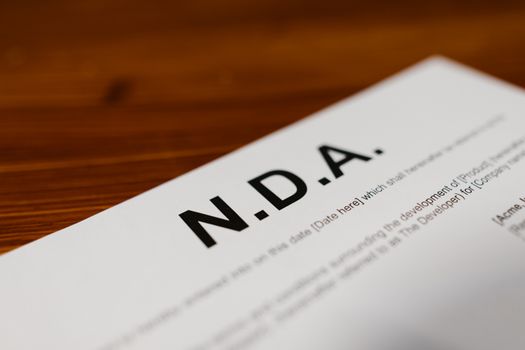 Photo: RDNE Stock project / Pexels
 Photo: Werner Pfennig / Pexels
 Photo: RDNE Stock project / Pexels